The Steel Park
Complex landscape analysis and art experience of the Steel Sculptor Workshop and Symposium of Dunaújváros (1974–2024)
DOI:
https://doi.org/10.36249/4d.78.7256Keywords:
postsocialist, landscape architecture, visitor experience, public art, spatial analysis, comprehensive, engineered land artAbstract
Sculpture parks (SPs) represent emblematic landscape architectural compositions, where site, culture, art and public interest converge. Internationally celebrated ones such as Storm King Art Centre (USA), Yorkshire Sculpture Park (UK), and the Louisiana Museum Sculpture Garden in Denmark exemplify how curatorial planning, ecological integration, and visitor infrastructures meet to comprise coherent and widely renowned cultural destinations. Central and Eastern European SPs, on the contrary, evolved against the backdrop of socialist urban and industrial landscapes, wherein artistic creation responded to ideological dispositions and infrastructural imperatives, raising questions with respect to their place within the international canon of sculpture parks. This study examines the Dunaújváros SP in Hungary as a case of post socialist landscape heritage with international benchmarks via an evaluative framework. The park originated in the 1970s through the initiatives of local steelworkers and artists, gradually getting more complex in the upcoming decades, by placing a few artefacts each year on the steep slope of the Danube bank. A qualitative field survey was conducted with master's students via the implementation of site observation, photographic monitoring, and spatial analysis. The analysis applies six analytical criteria: Surface Topography and Spatial Form; Naturalness and Vegetation Design; Maintenance, care, and level of disruption; Complexity and multiplicity, Coherence and integration; Degree of imagery. The study reveals that the park integrates unique cultural and environmental resources born of riverbank stabilisation programs, arboretum-inspired plantings, and the Steel Sculpture Creative Workshop, each integral to postsocialist tastes, thereby setting itself apart from its Western equivalents. Still, deficiencies in curatorial cohesion, upkeep, and visitor accessibility prevent its categorisation as a mature International grade SP.
References
A Dunaber december végére befejezi a partvédelmi munkálatokat. (1968, October 18). Dunaújvárosi Hírlap, 1. JAKD (or “JAKD Library / Dunaújváros library digitals”).
Catterall, K. (2018). Cartiere, Cameron, and Martin Zebracki, eds. The Everyday Practice of Public Art: Art, Space and Social Inclusion: London and New York: Routledge, 2016. 272 pp., US $140 (hardcover). ISBN: 978-1-138-82920-6. Public Art Dialogue, 8(1), 136–137. https://doi.org/10.1080/21502552.2018.1430298
Csongor, G. (1976, March 2). Átalakul a város alatti Duna-part. Dunaújvárosi Hírlap. http://konyvtar.jakd.hu/hirlap/Dunaujvarosi%20Hirlap%20-%201976/1976.03.02/3.jpg
Dewey, J. (2005). Art as experience. Berkeley Publishing Group.
Eplényi, A. (2007). Change of Identity in the history of an urban square. 4D TÁJÉPÍTÉSZETI ÉS KERTMŰVÉSZETI FOLYÓIRAT / JOURNAL OF LANDSCAPE ARCHITECTURE AND GARDEN ART 1787-6613 2939-886X, 5 pp. 56–63.
Ferenczi, Istvánné, Tábori, Csaba, Szegedi, Csaba, István, Pati-Nagy, Bence, Bognár, Ferenc, Friedrich, Ferenc, Kóré, Sándor, Kovalovszky, Márta, Pálfalvi, & János. (n.d.). Steel Sculptors’ Creative Community and Symposium of Dunaújváros (1974–1987). Retrieved October 5, 2025, from https://dunaujvarosmesel.hu/wp-content/uploads/2022/09/acelszobrasz19741987.pdf
Gréczi, E. (2016, August 19). Szoborgettóból szoborpark. Artmagazin. https://www.artmagazin.hu/articles/archivum/7d1d78b62c59a0b958fb5eade761d8e2
Hegyi, L. (1999). Modern Hungarian Sculpture. Corvina Press.
Krauss, R. (1979). Sculpture in the Expanded Field. October, 8, 30. https://doi.org/10.2307/778224
McHarg, I. L. (1992). Design with nature (25th anniversary ed). J. Wiley & sons.
Morrison, S., Yau, P., & Coleman, L.-E. (2022). Sculpture has Left the Building: The Emerging Popularity of Outdoor Sculpture Parks [Master of Science, Drexel University]. https://doi.org/10.17918/00001443
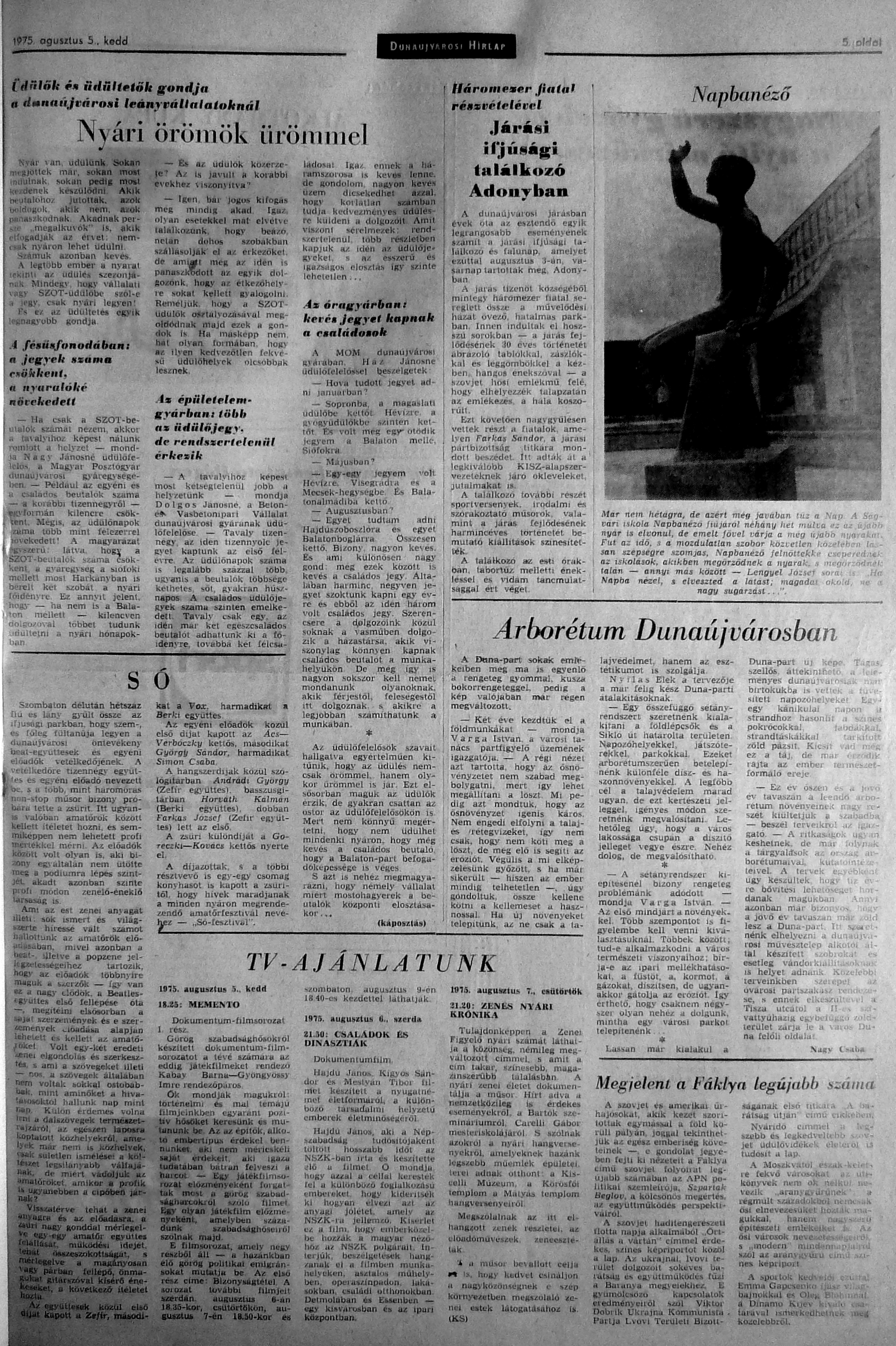
Nagy, C. (1975, August 5). Arborétum Dunaújvárosban. Dunaújvárosi Hírlap. http://konyvtar.jakd.hu/hirlap/Dunaujvarosi%20Hirlap%20-%201975/1975.08.05/5.JPG
Ode, Å., Tveit, M. S., & Fry, G. (2008). Capturing Landscape Visual Character Using Indicators: Touching Base with Landscape Aesthetic Theory. Landscape Research, 33(1), 89–117. https://doi.org/10.1080/01426390701773854
Sasvári, G. (1964, March 3). Földcsuszamlás a Radarnál. Dunaújvárosi Hírlap. http://konyvtar.jakd.hu/hirlap/Dunaujvarosi%20Hirlap%20-%201964/1964.03.03/2.jpg
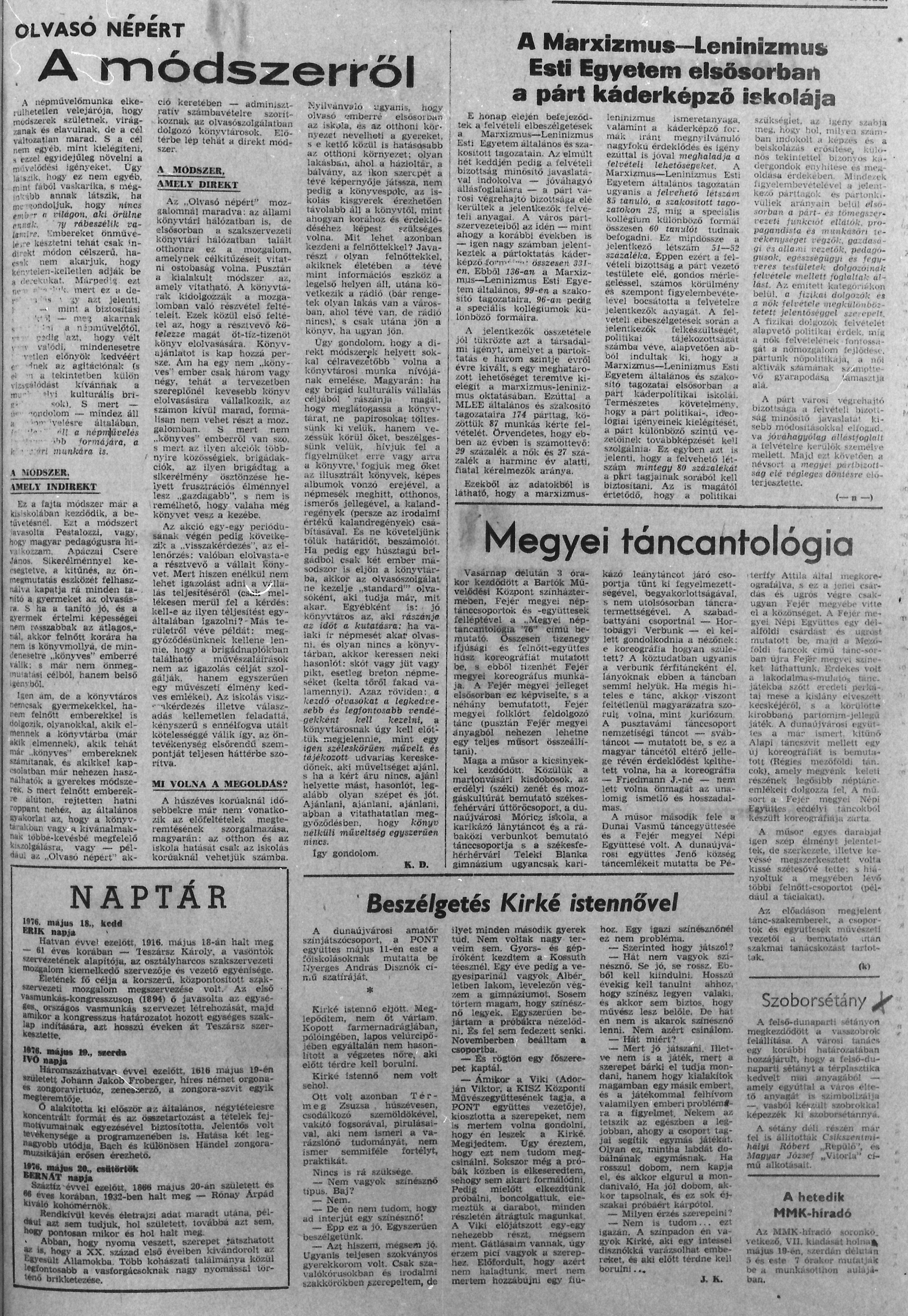
Szoborsétány. (1976, May 18). http://konyvtar.jakd.hu/hirlap/Dunaujvarosi%20Hirlap%20-%201976/1976.05.18/5.jpg
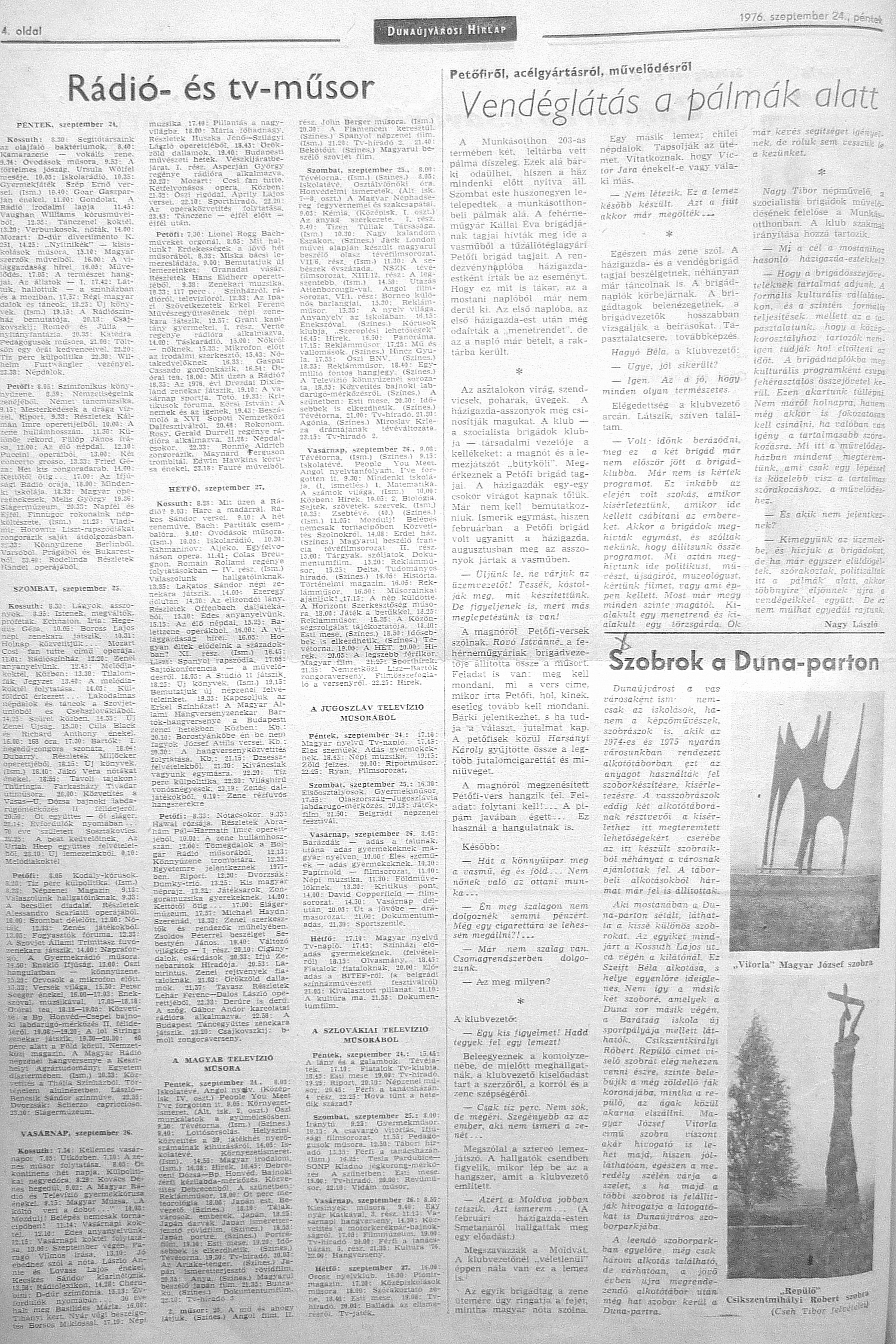
Szobrok a Duna-parton. (1976, September 24). Dunaújvárosi Hírlap. http://konyvtar.jakd.hu/hirlap/Dunaujvarosi%20Hirlap%20-%201976/1976.09.24/4.jpg
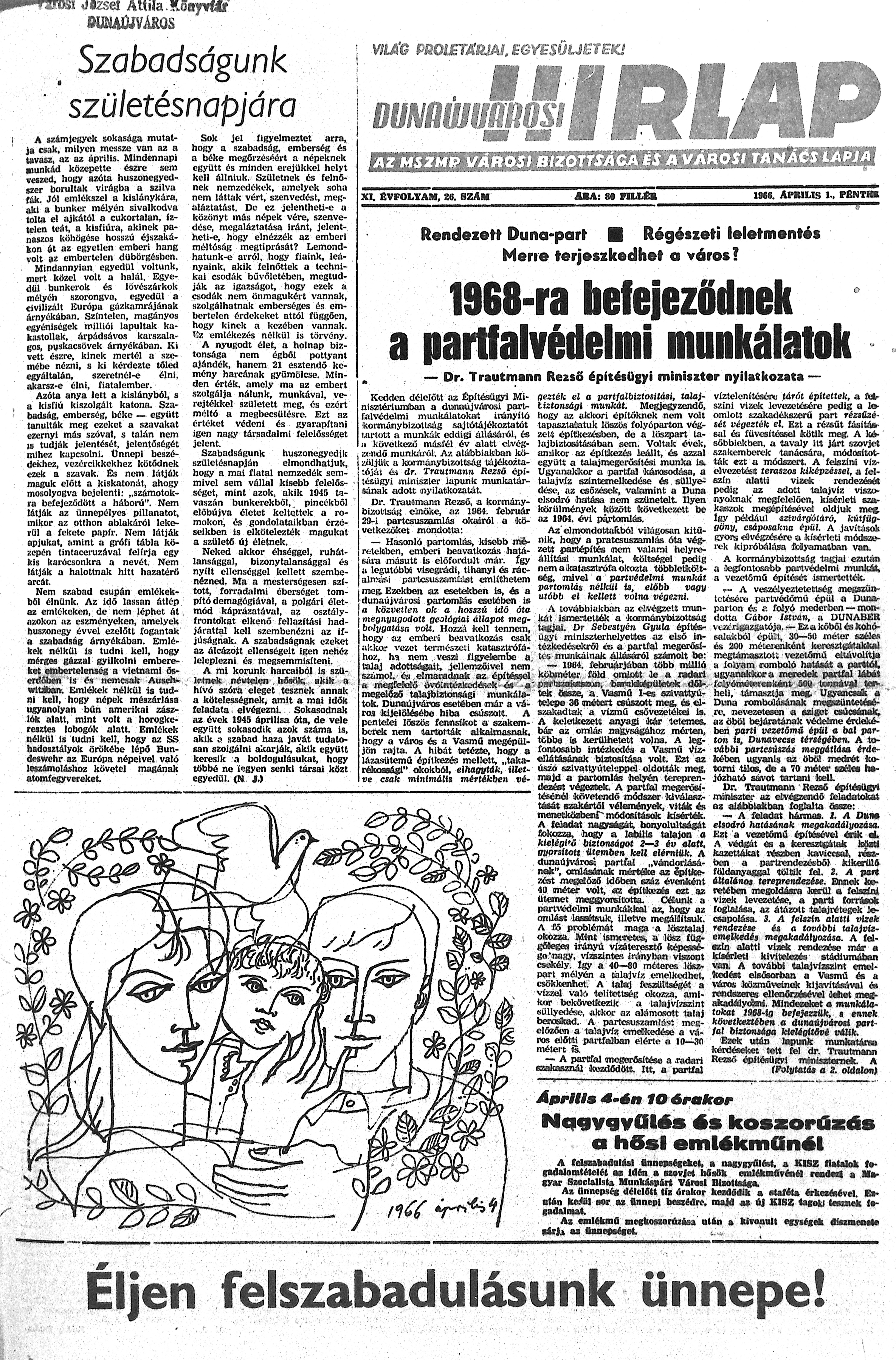
Zsiday, C. (1966, April 1). 1968-ra befejeződnek a partfalvédelmi munkálatok. Dunaújvárosi Hírlap. http://konyvtar.jakd.hu/hirlap/Dunaujvarosi%20Hirlap%20-%201966/1966.04.01/1.jpg
Downloads
Published
Issue
Section
License
Copyright (c) 2025 Benkaid Kasbah, Seloua, Eplényi Anna, Hargita Lejla

This work is licensed under a Creative Commons Attribution-NonCommercial-NoDerivatives 4.0 International License.
A folyóirat Open Access (Gold). Cikkeire a Creative Commons 4.0 standard licenc alábbi típusa vonatkozik: CC-BY-NC-ND-4.0. Ennek értelmében a mű szabadon másolható, terjeszthető, bemutatható és előadható, azonban nem használható fel kereskedelmi célokra (NC), továbbá nem módosítható és nem készíthető belőle átdolgozás, származékos mű (ND). A licenc alapján a szerző vagy a jogosult által meghatározott módon fel kell tüntetni a szerző nevét és a szerzői mű címét (BY).








 head of the institute: Dr. Fekete Albert